Moisture mapping, not guesswork
We check affected areas with meters and track readings over time so the drying plan matches what is actually wet, including hidden pockets behind baseboards or under flooring.
Serving Houston, Texas & surrounding areas
24/7 Emergency Response
When a leak or flood hits, fast drying and careful containment matter. Get a clear plan, documented moisture readings, and a crew that treats your home like a jobsite, not a mess.
If you are searching for a water mitigation company Houston homeowners trust, you are usually dealing with one urgent problem: water is inside where it should not be. The goal of mitigation is to stop the source, remove water, dry materials to safe moisture levels, and prevent secondary damage like swelling, corrosion, odors, and microbial growth.
In Houston, that urgency is real. High humidity can slow drying, and storm season can turn a manageable leak into a bigger loss if drying and containment do not start quickly. A professional mitigation scope typically includes water extraction, controlled demolition when needed (wet drywall, baseboards, flooring), structural drying with dehumidifiers and air movers, cleaning and sanitizing, and documentation.
Mold Treatment Houston handles water mitigation as a step-by-step trade process, not guesswork. You get written notes on what is wet, what gets removed, what gets dried in place, and what conditions have to be met before rebuild work makes sense. Mold Treatment Houston is the team behind this service.
Most mitigation jobs start with a clear cause, even if the damage spread is not obvious at first.
We commonly see:
Neighborhoods with a lot of slab-on-grade construction can hide water migration under flooring, while multi-story townhomes often see water travel vertically through wall cavities and down into lower levels. In areas with older housing stock like parts of the Heights, we also watch for mixed materials and past repairs that affect how water moves and how drying should be staged.
No matter the cause, the decision point is the same: find all affected materials, dry to verified targets, and keep the rest of the home protected while equipment runs.
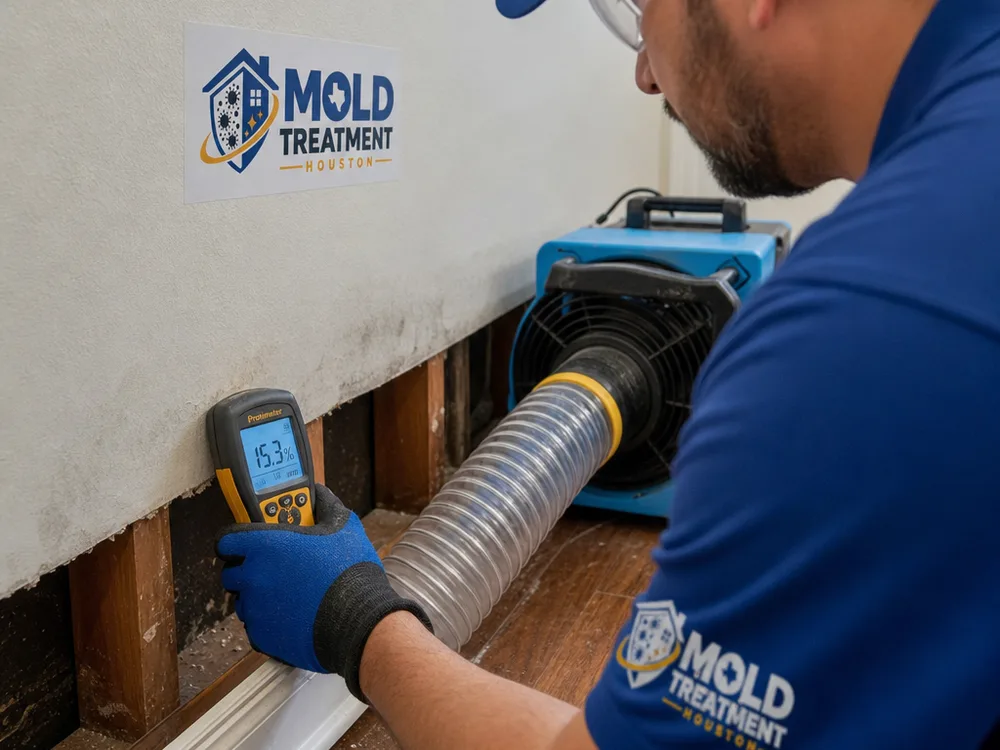
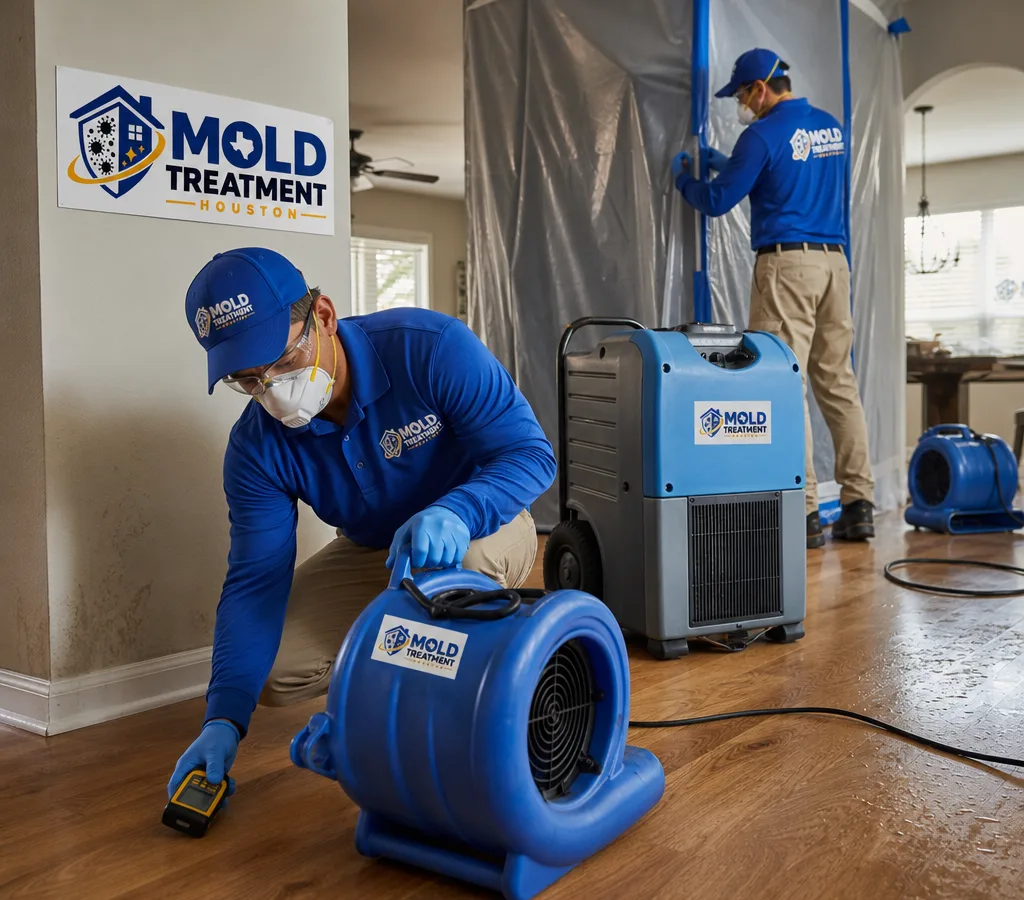
We check affected areas with meters and track readings over time so the drying plan matches what is actually wet, including hidden pockets behind baseboards or under flooring.
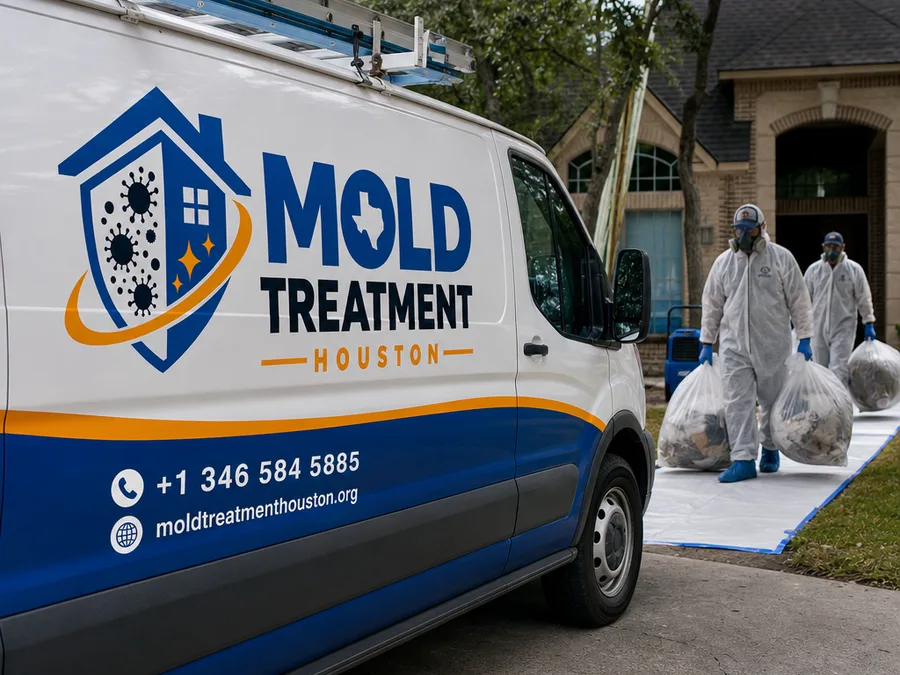
When materials need removal, we isolate the work area with plastic, maintain clean pathways, and use filtration when conditions call for it to keep dust and debris from spreading.
Effective drying uses commercial dehumidifiers, air movers, and targeted airflow. Oversizing or undersizing equipment can waste time or leave damp materials behind.
You receive a written scope of what is being removed, what is being dried in place, and what the completion conditions are before the equipment comes down.
Once drying is complete, we explain what can be repaired, what needs replacement, and what to watch for during the rebuild phase.
We confirm the water is stopped and look for electrical, ceiling, or slip hazards. If the water source is still active, mitigation cannot begin safely.
We evaluate the spread across floors, walls, cabinets, and adjacent rooms. Moisture mapping helps set drying targets and limits unnecessary demolition.
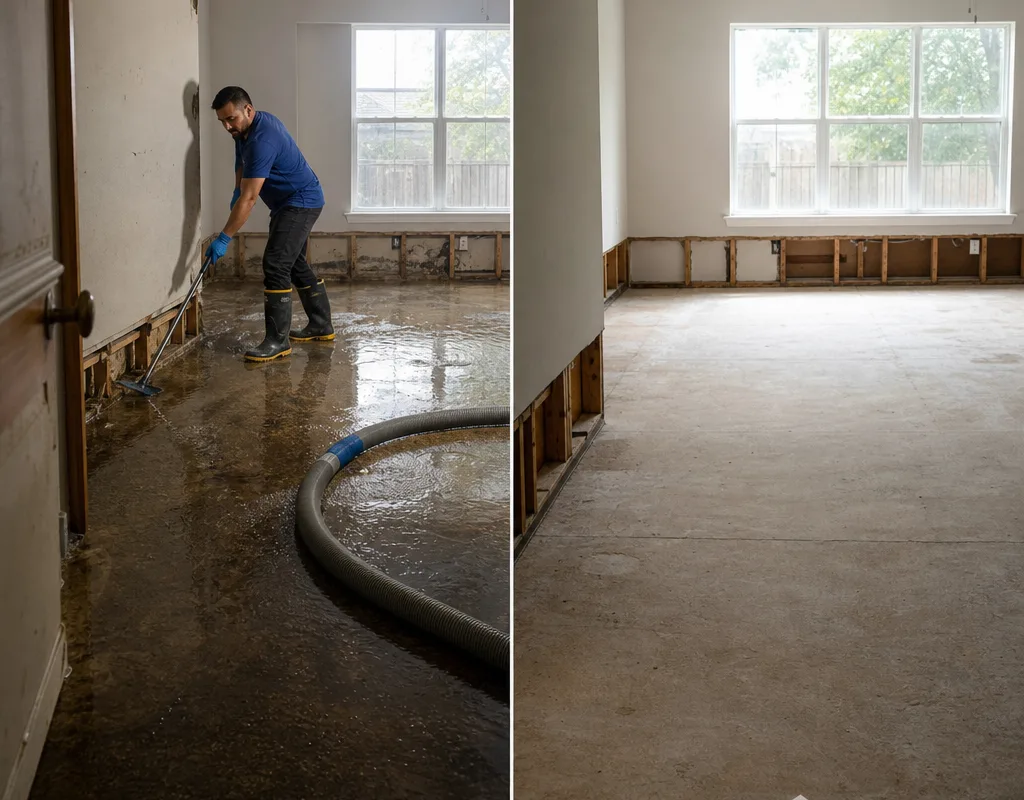
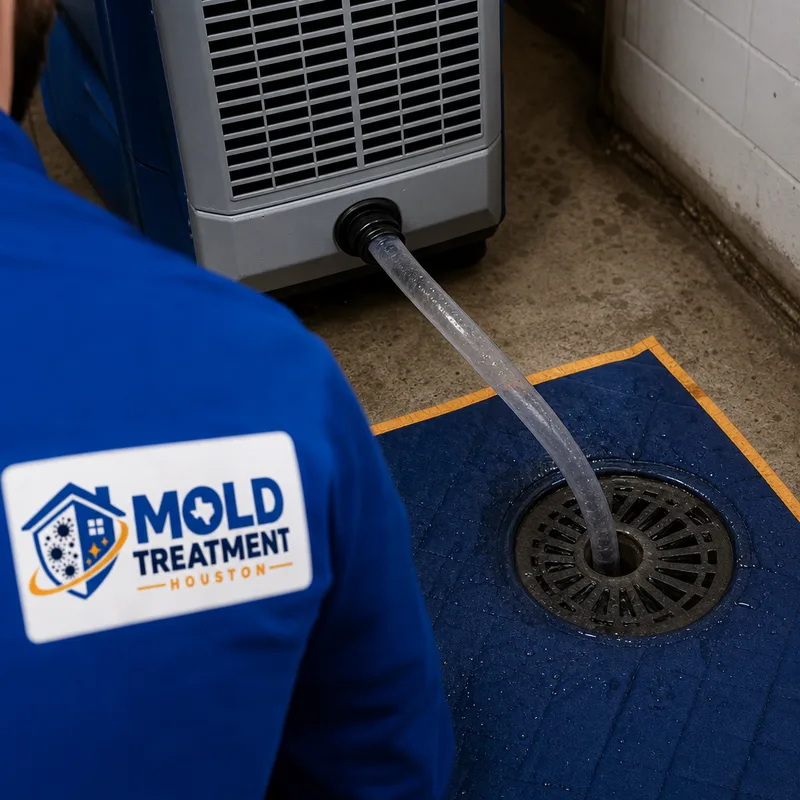
Standing water is extracted first. If drywall, insulation, padding, or warped materials cannot be dried properly, we remove them to open the structure for airflow.
We place air movers and dehumidifiers based on the affected volume and material types. In Houston humidity, proper dehumidification is the difference between drying and stalling.
We clean affected surfaces and apply products when the job conditions warrant it. The goal is to reduce risk and odor, not to substitute chemicals for drying.
We re-check moisture readings and adjust equipment placement. Drying is complete when materials meet reasonable dry standards for the structure, not when they merely feel dry.
Water mitigation in Houston typically ranges from about $900 to $6,500+, depending on how much area is affected and what has to be removed. A small, clean-water loss in one room with limited extraction and 2 to 3 days of drying may fall near the low end, while multi-room losses, wet cabinets, or required demolition and disposal push costs higher.
Final pricing changes with category of water, square footage, access (tight crawlspaces, upper floors), equipment run time, and whether drying requires opening walls or removing flooring. The exact cost is confirmed after an on-site inspection and moisture mapping.
If water is spreading or materials are staying damp, the best time to act is now. Share what happened, the areas affected, and when the leak started so we can recommend the next practical step.
Call for a EstimateDrying should start as soon as it is safe and the water source is stopped, ideally the same day. In Houston's humidity, delays can slow evaporation and increase the chance of odors and microbial growth, especially in wall cavities and under flooring.
Yes, you may still need mitigation because water can remain in padding, subfloor, baseboards, and drywall even when surfaces feel dry. A moisture meter check is the quickest way to confirm whether materials are actually drying or quietly holding moisture.
Mitigation is the immediate work to stop damage, remove water, and dry and clean the structure; restoration is the repair and rebuild work after the structure is verified dry. Many losses need both phases, but mitigation should be complete before rebuild begins.
Only when readings and material condition show that drying in place is unlikely or would take too long. Cutting a controlled flood cut and removing baseboards can open the wall cavity for airflow and reduce the risk of trapped moisture, but unnecessary demolition is avoided when materials can be dried and verified.
Most drying setups run about 2 to 5 days, but timelines depend on material type, how long the water sat, and whether the moisture is trapped under flooring or inside wall cavities. We monitor moisture levels and remove equipment when readings meet completion criteria.
Yes. Water mitigation is the first line of defense because moisture control is what prevents mold from taking hold. If conditions indicate microbial growth or risk, we can explain when additional containment, cleaning, or targeted mold work is appropriate.
Tell us what happened, what rooms are affected, and when you first noticed the water. We will outline the steps, what can likely be saved, and what needs to happen to get the structure dry and ready for repairs.