
Fast extraction and controlled drying
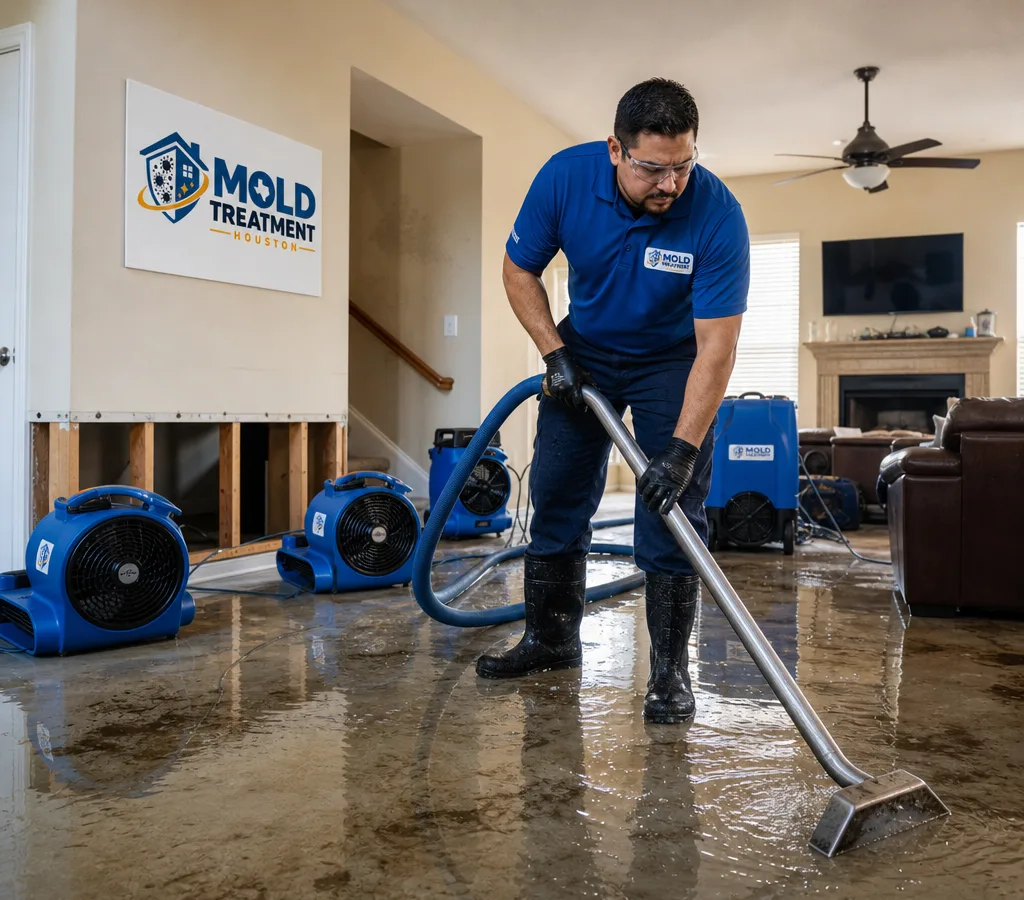
Removing bulk water quickly limits how far it spreads under flooring and into wall cavities. Drying is then managed with dehumidifiers and air movers placed for the layout, not just the room size.
Serving Houston, Texas & surrounding areas
24/7 Emergency Response
Get a fast, documented response for leaks, floods, and storm intrusion. We inspect, extract, dry, and repair with clear communication so you know what happens next.
When you search for water damage restoration companies in Houston, you are usually trying to solve two problems at once: stop the damage from spreading and get your property back to normal without guesswork. A quality water damage restoration company in Houston starts with a real inspection—not a quick look—documents conditions for insurance, and then follows a drying plan based on moisture readings, not the calendar.
In Houston, water damage can move fast because warm, humid air makes it harder for wet materials to release moisture. That is why a proper response focuses on source control, extraction, dehumidification, and targeted removal of unsalvageable materials. The goal is to dry structural materials to a stable condition and prevent secondary damage such as warping, swelling, and odor.
Mold Treatment Houston handles water damage restoration in Houston, TX for homes and businesses. During the emergency stage, the priority is immediate stabilization: shut off water if needed, extract standing water, and begin controlled drying. If the event is already a day or two old, the priority shifts to mapping moisture in walls and floors, opening cavities where needed, and verifying progress with readings.
When comparing providers, ask whether they explain the water category, identify affected materials, and clarify what the next 24 hours look like. The best water damage restoration services in Houston make the plan easy to understand and verify.
Removing bulk water quickly limits how far it spreads under flooring and into wall cavities. Drying is then managed with dehumidifiers and air movers placed for the layout, not just the room size.
A credible service uses moisture meters and, when appropriate, thermal imaging to find hidden wet areas and track drying progress for your records.
Some materials dry well; others trap moisture. The right approach separates what can be dried from what should be removed, helping control time and repair scope.
Houston water damage repair goes smoother when the team explains drywall patches, texture matching, trim work, flooring transitions, and paint strategy.
Category 2 or 3 water from appliances, drains, or sewage backups changes how areas are contained, cleaned, and disposed of. A serious provider explains this upfront.
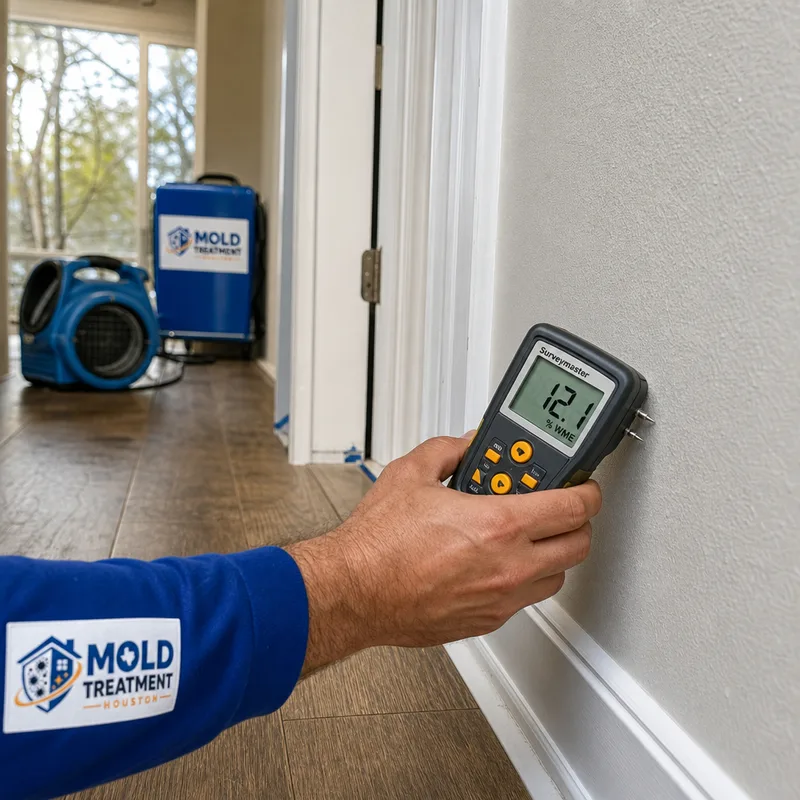
Moisture readings and written documentation are the backbone of reliable water damage restoration in Houston.
Water damage cleanup in Houston, TX is not only about drying the visible floor. The bigger risks are usually hidden: water under floating floors, soaked insulation, wet sill plates, and damp drywall that looks fine from the surface.
A thorough cleanup typically includes:
Houston humidity can slow drying if the space is left open or the HVAC is not managed. A good plan controls airflow pathways and keeps doors and windows in the right state for dehumidification to work.
Equipment plans and likely wet zones can differ between older homes in the Heights and newer slab-on-grade builds in Cypress or Katy. The right company explains those differences in plain language and shows you the readings.
We identify the water source, classify the condition, map affected materials, and outline what needs drying versus removal. You get a clear scope before major work begins.
We remove standing water, set containment when needed, and protect contents and finishes where possible so the job stays controlled.
We place dehumidification and airflow equipment based on the layout and moisture data, then monitor readings so drying is verified, not assumed.
When the water condition calls for it, we clean affected surfaces and address odor sources so the space is ready for repair and normal use.
After drying is confirmed, we coordinate drywall, trim, flooring transitions, texture matching, and paint planning so the finished result looks consistent.
Water damage restoration in Houston typically ranges from about $1,500 to $7,500 for many residential losses, with small, localized dries sometimes below that and major multi-room losses running higher. Straightforward cleanup with drying equipment and monitoring usually costs less than a project requiring demolition, antimicrobial steps, and rebuilding.
Final pricing depends on affected square footage, how long materials stayed wet, the water category, access such as crawlspaces or tight cavities, and what must be removed to dry correctly. Exact cost is confirmed after an on-site inspection and moisture mapping.
“A supply line leak soaked our hallway and part of the bedroom. They showed us the moisture readings, explained why one wall section had to be opened, and kept the drying equipment staged neatly so we could still live in the house.”
“After a storm pushed water in near a back door, they handled extraction the same day and gave us a clear repair plan once everything was dry. The communication was the main reason we felt comfortable moving forward.”
Start as soon as the water source is controlled because wet drywall, wood, and insulation can begin deteriorating quickly in Houston's humid conditions. Even when surfaces look dry, moisture can remain trapped under flooring and inside wall cavities, so moisture mapping is the safest way to confirm the extent.
Cleanup typically includes inspection and documentation, extraction, equipment setup, monitoring with moisture readings, and removal of materials that cannot be dried safely. Contaminated water may also require containment, disinfecting steps, and appropriate disposal procedures.
Yes. The same fundamentals—rapid extraction, controlled drying, and verification—apply to homes and businesses. Commercial projects often add scheduling constraints, larger open areas, and the need to keep parts of a property operating while drying continues.
Most drying phases take about 3 to 5 days, but the full timeline depends on how far water traveled, affected materials, and whether demolition and repairs are needed. Milestones should be tied to initial readings, monitoring, and a target dry standard.
Yes, many projects include repair after drying is verified, such as drywall replacement, baseboards, texture matching, and paint. Confirming the repair scope early can influence where walls are opened and how flooring and trim transitions are handled.
Compare providers by asking for a written scope, what instruments they use to verify drying, how often they monitor, and how they handle repairs after dry-out. The best comparison point is whether they can show moisture readings and explain what changes if drying stalls.
Coverage depends on your policy and the cause of loss, but insurance often focuses on sudden, accidental events rather than long-term leaks. Documentation of moisture readings, affected materials, and the drying plan gives you clear records to share with your adjuster.
If you are choosing between water damage restoration companies in Houston, ask for moisture mapping, a written scope, and a repair plan you can understand before equipment is packed up.
Call for a EstimateTell us what happened, what areas are wet, and whether the water is still active. Mold Treatment Houston will walk you through the next steps, document the scope, and help you move from cleanup to repair with fewer surprises.