Written scope before demolition
A good scope spells out affected areas, what materials are being removed, what remains, and what the next trade will need to rebuild. It also prevents change-order chaos.
Serving Houston, Texas & surrounding areas
24/7 Emergency Response
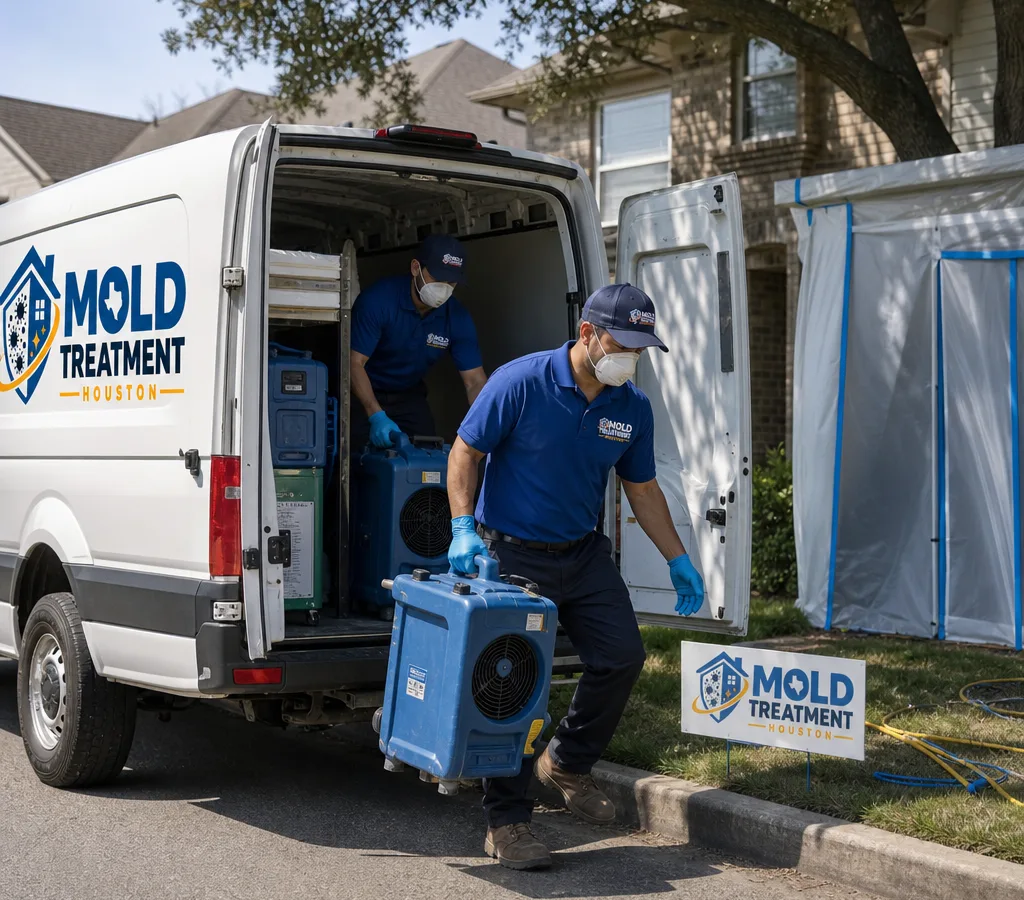
When your property needs cleanup and repairs after water, fire, smoke, or microbial growth, you want a restoration crew that can assess damage fast, document what happened, and move work forward with a clear scope. Mold Treatment Houston serves Houston-area homes and businesses with practical, jobsite-ready restoration support.
Searching for restoration companies Houston Texas usually means you are dealing with time-sensitive property damage and need two things quickly: a safe plan and a reliable crew to carry it out. A professional restoration company typically coordinates emergency stabilization, cleanup, controlled drying, selective demolition when needed, and rebuild-ready conditions so repairs can start.
In Houston, restoration often centers on moisture control because humid conditions can turn a small wet area into a larger problem if it is not dried correctly. If a leak, overflow, or storm water intrusion occurred, the goal is to remove affected materials where required, dry the structure to appropriate targets, and keep the work area contained so dust and spores are not carried through the building.
Mold Treatment Houston approaches restoration like a trades job should run: clear scope, visible staging, and documented steps. If you are deciding between restoration companies in Houston TX, focus on the fundamentals that protect your property: proper containment, measured drying, realistic timelines, and a crew that explains what is being removed, what is being saved, and why.
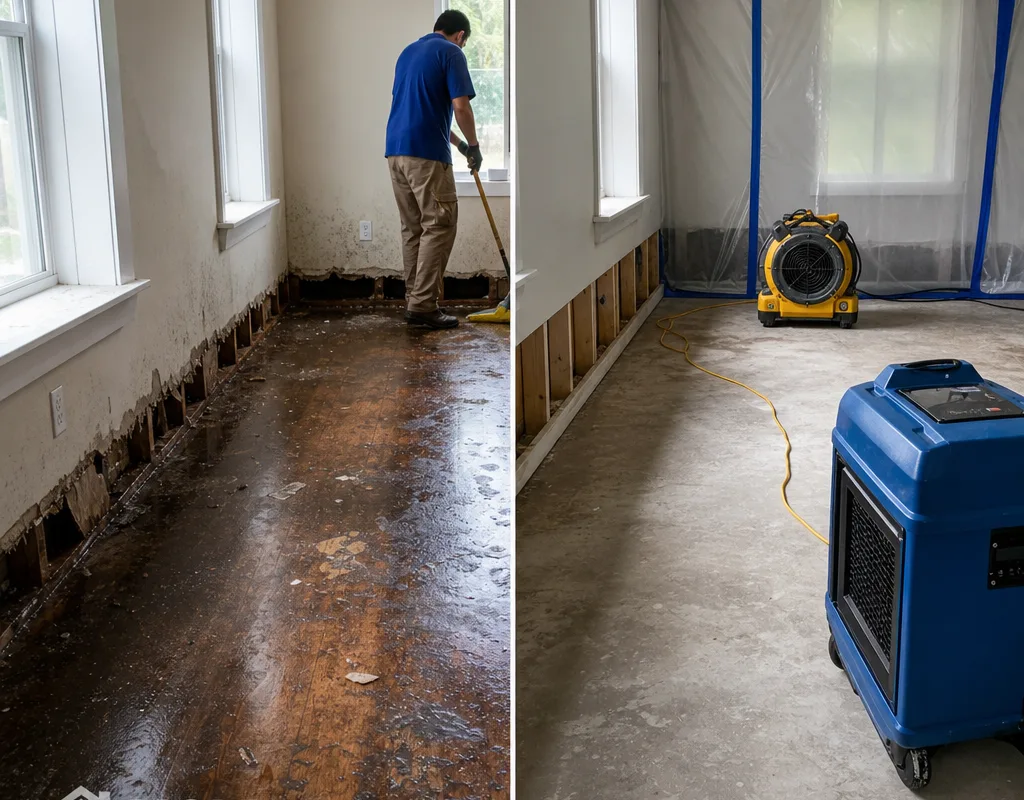
A good scope spells out affected areas, what materials are being removed, what remains, and what the next trade will need to rebuild. It also prevents change-order chaos.
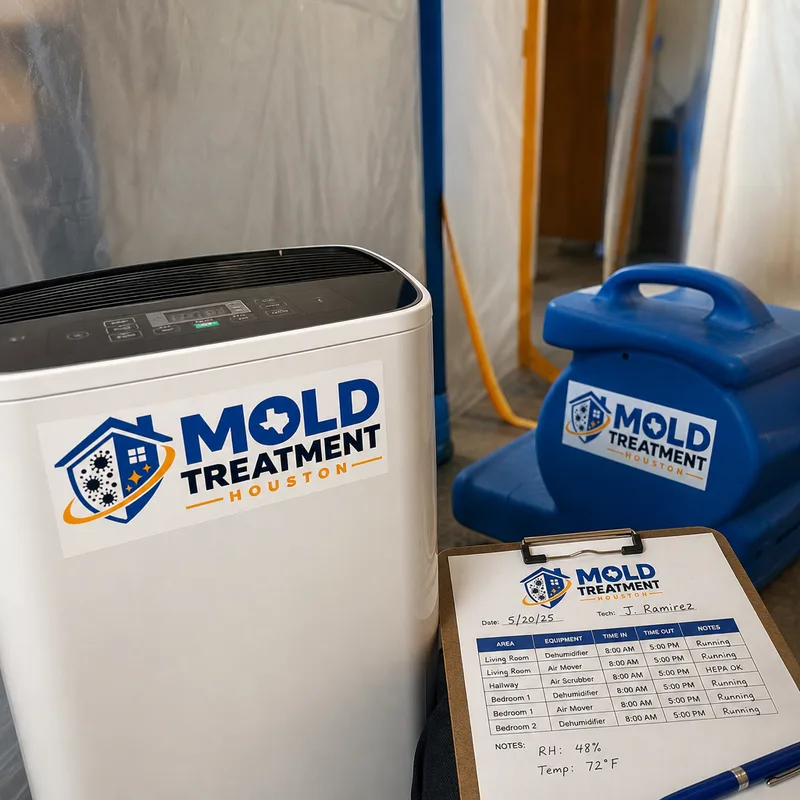
Ask how they verify what is wet with meters and mapping, and how they plan air movement, dehumidification, and containment. Drying should be measured, not guessed.
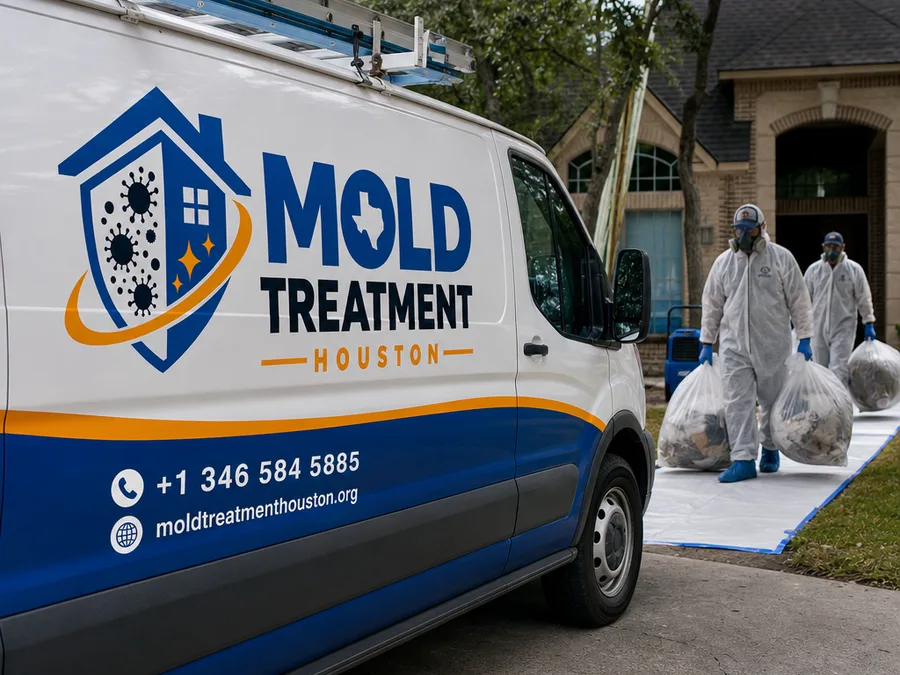
Restoration creates debris. Look for physical barriers, negative air where appropriate, and clean pathways that keep the rest of the property livable and safer.
Before, during, and after photos help you track progress, support insurance conversations, and reduce disputes about what was damaged.
Drying time, material removal, and repairs each have different schedules. The right contractor explains what can happen in parallel and what must happen in order.
Houston weather and busy households change plans. Strong teams confirm access, staging, noise expectations, and daily check-ins so the job does not drift.
Houston's combination of heat, humidity, and sudden heavy rain makes moisture control a practical priority. After water intrusion, the clock matters because damp materials can degrade quickly and create secondary issues.
You also see different building types across the city. In The Heights and nearby older neighborhoods, renovations and mixed construction methods can hide moisture behind layered finishes, so targeted opening and careful drying plans matter. In areas like Midtown and Downtown, multi-family buildings often require tighter logistics: elevator protection, controlled debris routes, and coordination with property management. In Westchase and other office-heavy corridors, after-hours work and clean containment often matter as much as speed.
If you are vetting restoration companies Houston Texas property owners rely on, ask how they adapt to your property type, access constraints, and occupancy needs. The best plan is the one that keeps work controlled and measurable while getting you back to normal as quickly as the building allows.
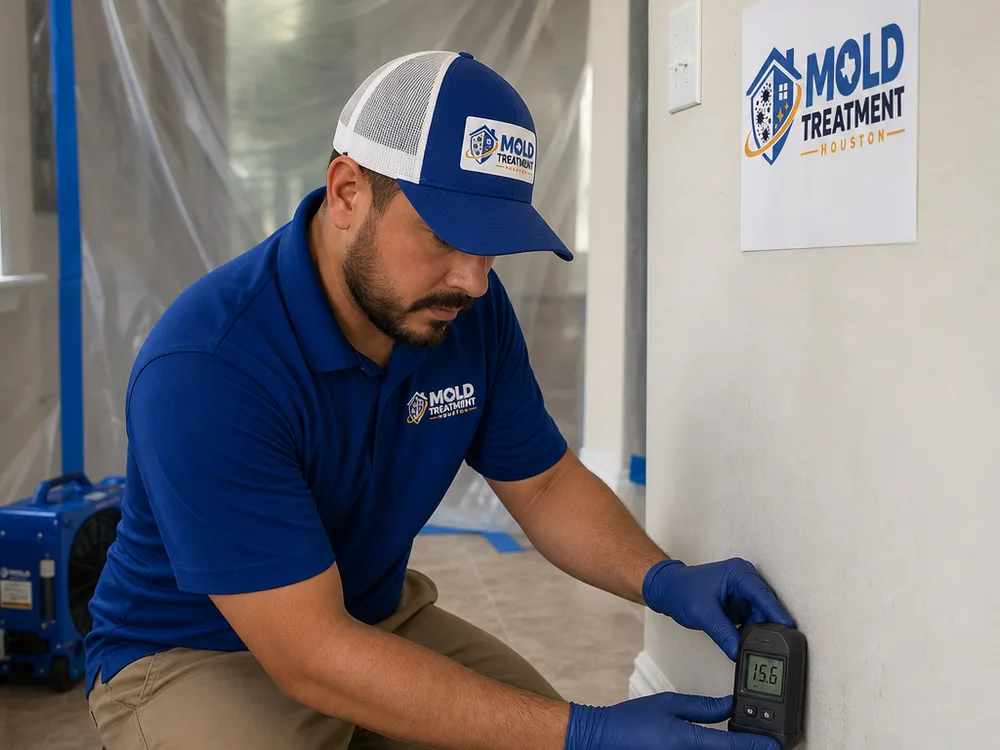
We identify affected areas, discuss what happened, and set initial safety controls. If needed, we isolate the work zone to limit dust and cross-contamination.
We document conditions with notes and photos and outline a clear scope: what gets removed, what can be dried and saved, and what the next phase requires.
When materials cannot be saved, we remove them selectively and bag out debris in a controlled way. Surfaces are cleaned as appropriate for the loss type.
We set drying equipment based on the affected materials and space layout, then monitor progress so drying stays on track rather than running blindly.
Once targets are met, we confirm conditions and provide the information needed to move into repairs or reconstruction planning.
Most restoration projects in Houston typically range from about $1,500 to $12,000+, depending on the type of loss and how much material is affected. Smaller, contained issues such as a single-room cleanup and drying often land around $1,500 to $4,500, while larger multi-room jobs with demolition, specialty cleaning, and extended drying commonly run $5,000 to $12,000+.
Final price depends on the affected square footage, how far moisture traveled, what materials must be removed, access such as multi-story or occupied spaces, and the amount of monitoring and containment required. Exact cost is confirmed after an on-site inspection and a written scope.
If you need a restoration company in Houston quickly, the fastest way to get control of the situation is a site visit that ends with a written scope, a start date, and a plan for drying and cleanup.
Call for a EstimateMany restoration companies can begin stabilization the same day or next day, depending on crew availability and the type of loss. The first visit usually focuses on stopping ongoing damage, setting containment if needed, and starting drying or removal so conditions do not worsen in Houston's humid climate.
Ask what their written scope includes, how they verify drying progress, and what containment they will use to keep dust and debris controlled. Also ask who manages daily communication, what the expected milestones are—demolition, drying, and clearance to rebuild—and what documentation you will receive for your records.
Some do both, while others stop after mitigation and hand off to a rebuild contractor. Either approach can work, but you should confirm in writing what is included: emergency stabilization, demolition, drying, cleaning, and whether reconstruction such as drywall, paint, flooring, and cabinetry is part of the same scope or a separate phase.
It depends on the affected area and what controls are used. With proper containment and a controlled work zone, many projects can be performed while parts of the home remain occupied, but certain situations such as significant contamination, strong odors, or major demolition may require temporary relocation for safety and comfort.
A professional team typically uses moisture meters and moisture mapping to identify wet materials and track drying progress over time. You should expect clear notes on what areas were checked and confirmation when drying targets are met before closing up walls or reinstalling finishes.
Yes, restoration work often runs alongside an insurance claim, but your first step is protecting the property from further damage and documenting conditions. Take photos, keep any related receipts, and get a written scope for the work. Mold Treatment Houston can assess the situation and outline a practical plan.
Tell us what happened and what areas are affected. We will schedule an on-site assessment, explain what needs to happen first, and provide a written scope you can use to move forward with cleanup and repairs.